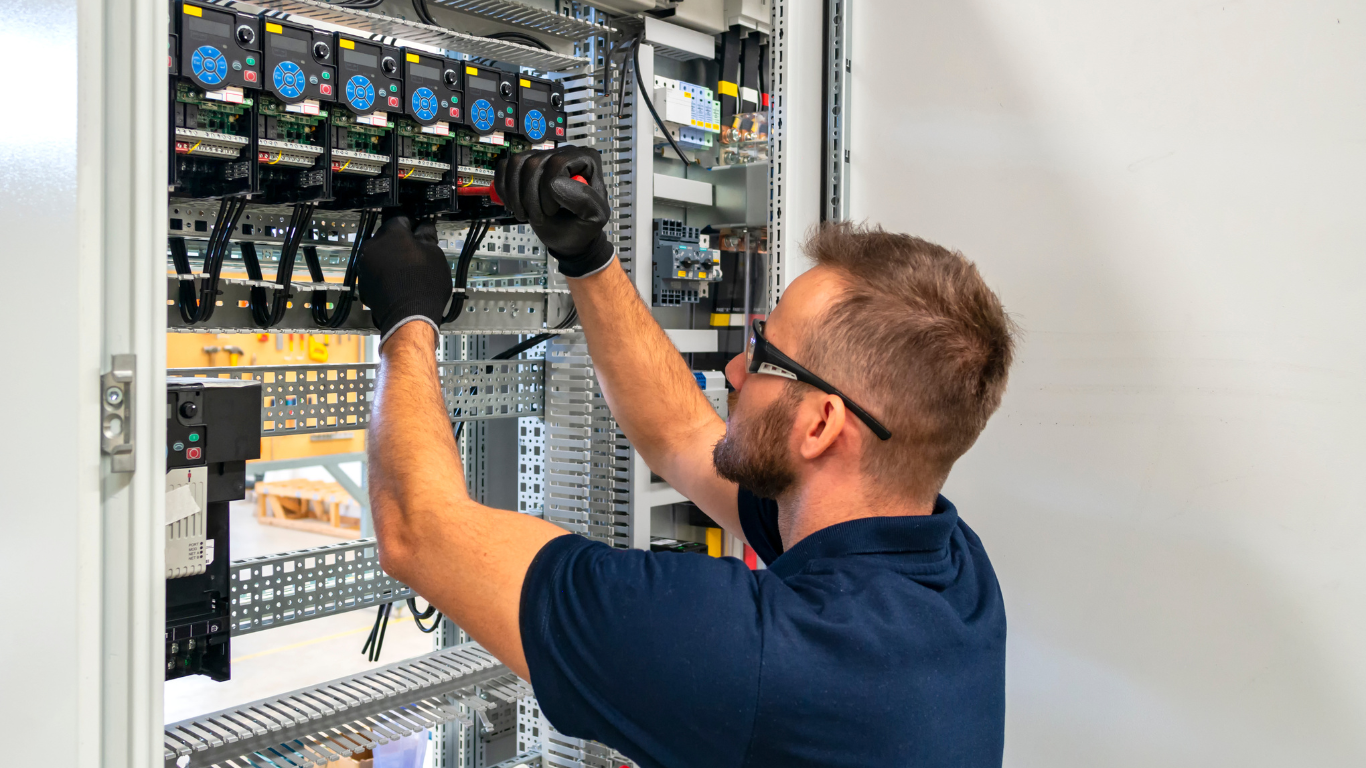
When it comes to running a business, ensuring that your electrical systems are up to scratch is vital. That’s where commercial electricians come in. These professionals specialise in the unique needs of businesses, handling everything from installations to emergency repairs. Understanding their role and the importance of hiring the right expert can make a significant difference in your operations. Let’s explore why businesses should consider engaging a commercial electrician.
Key Takeaways
- Commercial electricians have specialised training for larger, more complex electrical systems.
- Compliance with safety standards is crucial to avoid legal issues and ensure worker safety.
- Understanding power requirements, like three-phase wiring, is essential for commercial spaces.
- Proper wiring techniques can adapt to changing layouts in commercial buildings.
- Choosing a qualified commercial electrician can save time, money, and ensure safety.
Understanding The Role Of Commercial Electricians
What Is A Commercial Electrician?
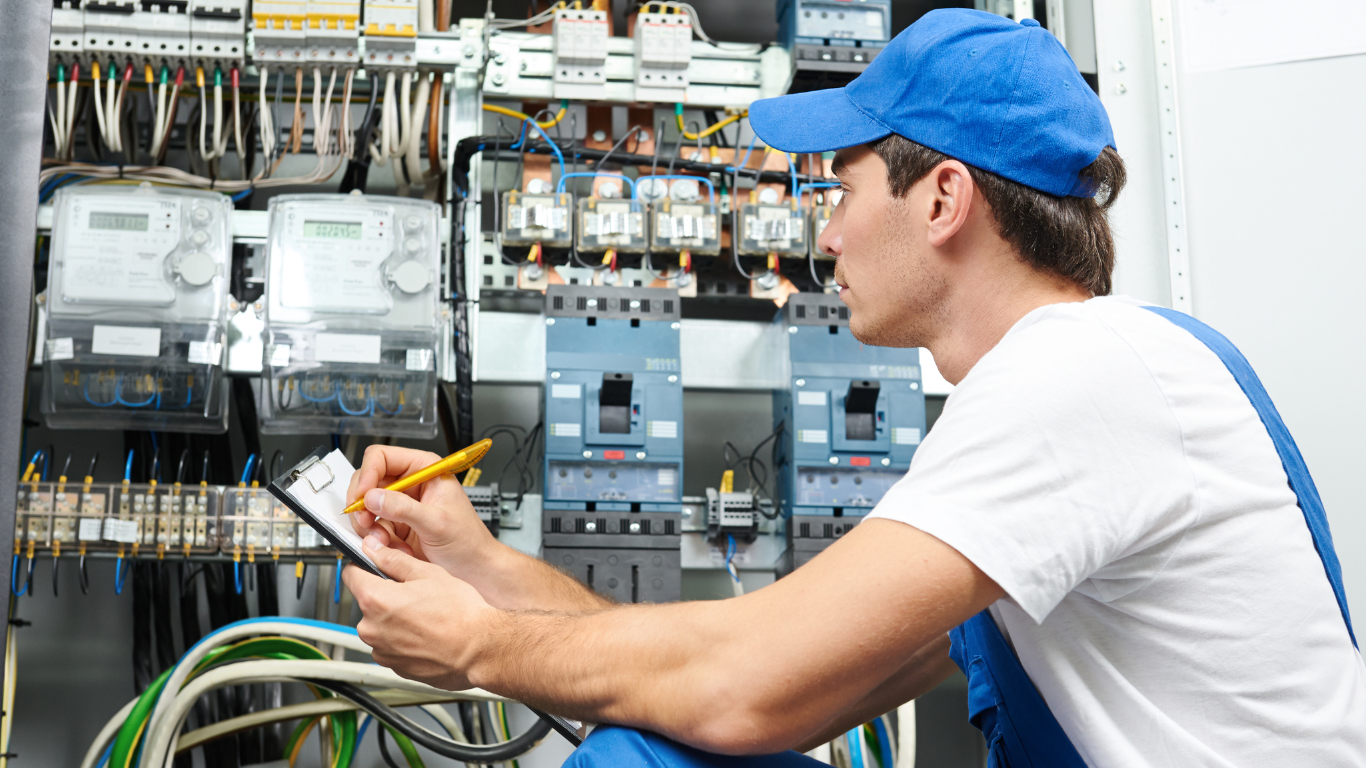
So, what does a commercial electrician do? Well, unlike your average residential sparky who might wire up a house, commercial electricians deal with the electrical systems in businesses, factories, and other commercial properties. They’re the ones who ensure the lights stay on in your office, the machinery runs smoothly in a factory, and the shopping centre is buzzing with power. It’s a broad field, covering everything from initial installations to ongoing maintenance and repairs. They are responsible for commercial electrical services essential for business success.
Key Responsibilities
Commercial electricians have a pretty diverse range of tasks. Here’s a quick rundown:
- Installations: Setting up new electrical systems in new or renovated buildings.
- Maintenance: Regularly checking and servicing existing systems to prevent breakdowns.
- Repairs: Fixing faults and issues as they arise, from faulty wiring to malfunctioning equipment.
- Upgrades: Modernising electrical systems to improve efficiency or meet new demands.
- Safety Inspections: Ensuring all electrical systems meet safety standards and regulations.
They also handle specialised stuff like data cabling, fire alarm systems, and security setups. A commercial electrician will also be aware of the best and most effective way to include these power saving systems.
Differences From Residential Electricians
While both residential and commercial electricians work with electricity, the scale and complexity of their work differ significantly. Commercial properties typically have much higher power demands and more intricate electrical systems than homes. This means commercial electricians need to be trained to handle:
- Higher Voltages: Commercial systems often use three-phase power, which requires different skills and knowledge than the single-phase power found in most homes.
- Complex Wiring: Commercial buildings often have extensive networks of wiring to support various equipment and systems.
- Stringent Regulations: Commercial electrical work is subject to stricter regulations and codes to ensure safety in public spaces.
Think of it this way: a residential electrician might fix a faulty light switch, while a commercial electrician might design and install the entire electrical system for a high-rise office building. It’s a different ballgame altogether. Commercial electricians can also conduct regular inspections and perform upgrades on existing electrical systems.
Importance Of Compliance And Safety
Running a business in Australia comes with a lot of rules, and electrical work is no exception. It’s not just about getting the lights on; it’s about making sure everything is safe and meets the required standards. Ignoring this can lead to hefty fines, insurance troubles, and, worst of all, put people at risk. Let’s break down why compliance and safety are so important when it comes to commercial electrical work.
Regulatory Standards
Australia has strict regulatory standards for electrical installations, and these aren’t just suggestions – they’re the law. Standards Australia sets out the rules in the AS/NZS 3000, also known as the Wiring Rules. These rules cover everything from the type of wiring you can use to how circuits should be protected.
Staying up-to-date with these standards is a must. They change over time as new technologies emerge and we learn more about electrical safety. A qualified commercial electrician will know these rules inside and out, ensuring your business is always compliant. This is why you need to find the right commercial electrician.
Safety Protocols
Safety protocols are the practical steps taken to prevent accidents and injuries. These protocols cover everything from wearing the right personal protective equipment (PPE) to following safe work procedures when dealing with live electricity. Some key safety measures include:
- Lockout/Tagout procedures: Making sure equipment is de-energised before any work begins.
- Regular inspections: Checking for damaged wiring, faulty equipment, and other potential hazards.
- Using insulated tools: Preventing electric shock when working near live circuits.
It’s easy to think “that won’t happen to me”, but electrical accidents can have serious consequences. Implementing and sticking to strict safety protocols is the best way to protect your employees, customers, and business.
Risk Management Strategies
Risk management is about identifying potential hazards, assessing the risks they pose, and putting measures in place to minimise those risks. This involves:
- Hazard Identification: Spotting potential dangers, like exposed wires or overloaded circuits.
- Risk Assessment: Working out how likely and how severe an accident could be.
- Control Measures: Implementing solutions to reduce the risk, such as installing safety switches or upgrading wiring.
Regular risk assessments are essential, especially in dynamic commercial environments where things change quickly. By proactively managing risks, you can create a safer workplace and avoid costly incidents. Don’t forget to schedule regular electrical safety inspections to ensure compliance and protection.
Power Requirements For Commercial Spaces
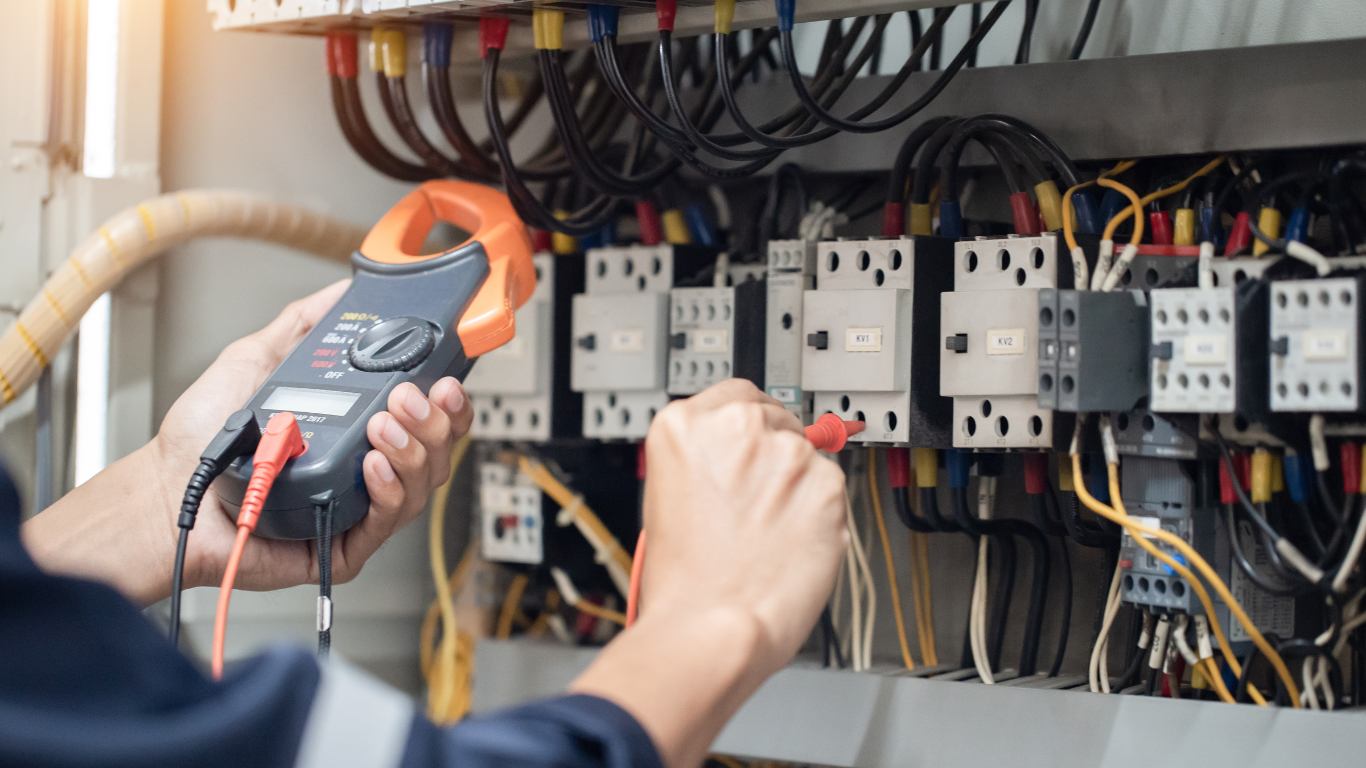
Commercial spaces have very different power needs compared to your average home. It’s not just about more power points; it’s about the type of power, the amount needed, and how it’s all distributed safely and efficiently. Understanding these requirements is key to ensuring your business runs smoothly and avoids costly electrical issues. Let’s explore some key considerations.
Three-Phase Wiring
Most homes in Australia use single-phase power, which is fine for running your fridge, TV, and lights. However, commercial properties often require three-phase wiring. Three-phase power is more efficient for running high-powered equipment like industrial machinery, large air conditioning systems, and commercial ovens. It provides a more consistent and stable power supply, reducing the risk of equipment damage and downtime. If your business uses heavy machinery or has significant power demands, three-phase power is likely a necessity. It’s important to consult with a commercial electrician to determine if your current setup is adequate or if an upgrade is needed.
Load Calculations
Before installing any new electrical equipment or expanding your business’s operations, it’s crucial to perform accurate load calculations. This involves determining the total amount of electrical power your business will consume at any given time. Load calculations take into account all electrical devices, from lighting and computers to machinery and appliances.
Why is this important? Overloading your electrical system can lead to tripped circuit breakers, power outages, and even electrical fires. A qualified electrician can conduct a thorough load calculation to ensure your electrical system can safely handle your business’s power demands. This will help you avoid unexpected disruptions and ensure the safety of your employees and customers.
Specialised Equipment Needs
Different businesses have different electrical needs. A restaurant, for example, will have very different requirements than an office building or a manufacturing plant. Restaurants need high-powered circuits for ovens, stoves, and refrigeration equipment. Offices require reliable power for computers, servers, and lighting. Manufacturing plants need robust electrical systems to support heavy machinery and industrial processes.
Here are some examples of specialised equipment needs:
- Restaurants: Commercial ovens, refrigerators, freezers, dishwashers
- Offices: Computer servers, printers, air conditioning systems, lighting
- Manufacturing Plants: Industrial machinery, welding equipment, conveyor belts
It’s important to work with an electrician who has experience in your specific industry. They will understand the unique electrical demands of your business and can design and install a system that meets your needs safely and efficiently. ACwest Electrical has over 15 years of experience serving the Perth commercial sector with expert electrical and air conditioning solutions. They offer tailored services through a dedicated division for minor works and a specialised projects division for larger construction needs. With a highly qualified team and a focus on continuous improvement, ACwest aims to exceed client expectations and has earned the trust of businesses across Perth’s commercial and industrial sectors.
Wiring Considerations In Commercial Installations
When it comes to commercial electrical work, it’s not just about running wires. It’s about doing it in a way that’s safe, accessible, and adaptable to the ever-changing needs of a business. Unlike residential setups where wiring is often hidden away, commercial spaces often require more flexible solutions. Let’s look at some key things to keep in mind.
Access and Layout
One of the biggest differences between residential and commercial wiring is accessibility. Commercial buildings often undergo renovations or changes in layout, so the wiring needs to be easily accessible for modifications and repairs. Think about it: a shop might move walls, a restaurant might add new equipment, or an office might reconfigure workstations. This means electricians often use:
- Surface-mounted conduits: These metal or plastic tubes run along walls or ceilings, making it easy to add or change wiring without tearing into walls.
- Accessible junction boxes: These boxes provide connection points that are easy to reach for testing and maintenance.
- Cable trays: These support systems hold multiple cables and allow for easy routing and rerouting.
Surface Wiring Techniques
Because of the need for accessibility, surface wiring is common in commercial buildings. This involves running wires along the surface of walls or ceilings, rather than inside them. While it might not be as aesthetically pleasing as hidden wiring, it offers several advantages:
- Easier installation and modification: Surface wiring is much faster and easier to install and modify than concealed wiring.
- Reduced disruption: Changes can be made without tearing into walls or ceilings, minimising disruption to business operations.
- Improved safety: Problems can be identified and addressed more easily with visible wiring.
However, surface wiring also requires careful planning and execution to ensure it’s done safely and neatly. Electricians need to use appropriate supports, protect wires from damage, and ensure the installation meets all relevant codes and standards.
Adaptability To Changes
Commercial spaces are dynamic environments, and their electrical needs can change rapidly. A good commercial electrical installation should be adaptable to these changes. This means:
- Leaving room for expansion: Install extra capacity in the electrical system to accommodate future growth.
- Using flexible wiring solutions: Choose wiring methods that can be easily modified or expanded.
- Planning for future technologies: Consider the potential impact of new technologies, such as electric vehicle charging or smart building systems.
By considering these wiring considerations, businesses can ensure their electrical systems are safe, reliable, and adaptable to their evolving needs. It’s about more than just powering the lights; it’s about creating an electrical infrastructure that supports the business’s long-term success.
Choosing The Right Commercial Electrician
Finding the right commercial electricians for your business isn’t just about picking a name from a list. It’s about ensuring the safety, efficiency, and reliability of your electrical systems. It’s a decision that impacts your day-to-day operations and long-term success. So, consider AC when making your choice.
Qualifications And Certifications
First things first, you need to check their credentials. Are they licenced and insured? Do they have the necessary certifications for commercial electrical work in Australia? Don’t be afraid to ask for proof. A reputable electrician will be happy to provide it. It’s also worth checking if their qualifications are up-to-date with the latest industry standards and regulations. This shows they’re committed to ongoing professional development.
Experience Across Sectors
Experience matters, especially in the commercial sector. A sparky who’s spent their entire career wiring houses might not be the best choice for a large retail space or industrial complex. Look for someone with a proven track record in similar projects to yours. Have they worked on office fit-outs, restaurant installations, or factory upgrades? The more diverse their experience, the better equipped they’ll be to handle the unique challenges of your project.
Client Testimonials And Case Studies
Don’t just take their word for it – see what other businesses have to say. Client testimonials and case studies can provide valuable insights into the electrician’s work ethic, problem-solving skills, and overall customer satisfaction. Look for specific examples of how they’ve helped other businesses overcome electrical challenges. A good electrician will have a portfolio of successful projects and happy clients. This is a great way to learn how to choose the right electrical contractor.
Choosing the right commercial electrician is an investment in your business’s future. Take the time to do your research, ask the right questions, and choose someone you can trust to deliver quality workmanship and reliable service.
Here’s a quick checklist to help you make the right decision:
- Verify licences and insurance.
- Check certifications and qualifications.
- Review experience in similar projects.
- Read client testimonials and case studies.
- Get multiple quotes and compare services.
Emergency Services Offered By Commercial Electricians
Electrical issues don’t always happen during business hours. That’s why understanding the emergency services offered by commercial electricians is so important. Knowing what to expect can save you time, money, and a whole lot of stress.
24/7 Availability
Electrical emergencies don’t keep office hours, and neither do the best commercial electricians. Many offer 24/7 availability, meaning they’re ready to respond any time of day or night. This is especially important for businesses that operate outside of normal hours, or those that can’t afford any downtime. When choosing an electrician, confirm their availability for after-hours call-outs. It’s also worth asking about their typical response times. For example, AC West provides reliable electrical services Perth wide, 24/7.
Common Emergency Scenarios
Commercial electricians are equipped to handle a range of emergency situations. Some common scenarios include:
- Power outages: Complete or partial loss of power can disrupt operations and potentially damage equipment.
- Electrical fires: These are extremely dangerous and require immediate attention.
- Faulty wiring: Exposed or damaged wiring can pose a significant safety hazard.
- Equipment failure: Malfunctions in critical electrical systems can bring your business to a standstill.
- Storm damage: Lightning strikes and flooding can cause extensive electrical damage.
It’s important to have a plan in place for dealing with these types of emergencies. This includes knowing who to call and what steps to take to ensure the safety of your employees and customers.
Response Time Expectations
When you’re facing an electrical emergency, time is of the essence. A good commercial electrician will understand this and strive to respond as quickly as possible. Response times can vary depending on the electrician’s location, workload, and the severity of the situation. However, you should expect a reputable electrician to provide an estimated time of arrival and keep you informed of any delays. Don’t hesitate to ask about their average response times and what measures they take to expedite emergency call-outs. Quick response times can minimise downtime and prevent further damage.
Future Trends In Commercial Electrical Services
The electrical industry is constantly evolving, and it’s important for businesses to stay ahead of the curve. What does the future hold for commercial electrical services in Australia? Let’s take a look at some key trends.
Integration Of Smart Technologies
Smart technology is no longer a futuristic concept; it’s becoming a standard expectation in commercial spaces. This includes everything from smart lighting systems that adjust based on occupancy and natural light, to advanced energy management systems that optimise power consumption.Business electrical solutions are increasingly incorporating these technologies to improve efficiency and reduce costs. Think about automated building systems that control lighting, HVAC, and security – all integrated and managed through a central platform. This not only enhances convenience but also provides valuable data insights for better decision-making.
Sustainability Practises
Sustainability is a major driving force in the electrical industry. Businesses are under increasing pressure to reduce their carbon footprint and adopt eco-friendly practises. This translates to a growing demand for energy-efficient electrical solutions, such as LED lighting upgrades, solar panel installations, and electric vehicle (EV) charging stations.
Sustainable practises also extend to the materials used in electrical installations. Electricians are now more likely to use recycled or renewable materials and implement waste reduction strategies during construction and maintenance projects.
Here are some sustainable practises gaining traction:
- Energy-efficient lighting upgrades
- Solar panel installations
- EV charging infrastructure
- Use of sustainable materials
Evolving Skill Sets
The role of a commercial electrician is becoming increasingly complex. It’s not just about wiring and repairs anymore. Electricians need to have a strong understanding of IT systems, data networking, and automation technologies. They also need to be proficient in diagnosing and resolving issues with sophisticated control systems and smart devices. The ACwest Electrical team are constantly upskilling to meet these demands.
To stay relevant, electricians need to:
- Develop expertise in IT and networking
- Understand automation technologies
- Become proficient in diagnosing complex systems
- Stay updated on the latest industry standards and regulations
Considering the benefits of ongoing electrical maintenance is also crucial. Regular maintenance can prevent costly breakdowns and ensure that your electrical systems are operating efficiently and safely. This proactive approach can save you money in the long run and minimise disruptions to your business operations.
As we look ahead, the future of commercial electrical services is bright and full of exciting changes. New technologies are making it easier to save energy and improve safety in businesses. With smart systems and renewable energy options, companies can operate more efficiently than ever. If you want to stay updated on these trends and see how they can benefit your business, visit our website today!
Final Thoughts on Hiring a Commercial Electrician
In summary, having a commercial electrician on your team is not just a good idea; it’s a necessity for any business. They bring the right skills and knowledge to handle the unique challenges of commercial electrical systems. From ensuring safety and compliance to keeping your operations running smoothly, their expertise is invaluable. So, when you’re looking for someone to manage your electrical needs, don’t just settle for any electrician. Choose a professional who understands the ins and outs of commercial work. It could save you time, money, and a whole lot of hassle down the line.
Frequently Asked Questions
What is a commercial electrician?
A commercial electrician is a specialist who works on electrical systems in businesses and larger buildings, like offices and shops. They handle everything from installing wiring to fixing electrical problems.
How do commercial electricians differ from residential electricians?
Commercial electricians focus on bigger projects and more complex systems compared to residential electricians, who mainly work in homes. This means they need different training and skills.
Why is safety important when hiring an electrician?
Safety is crucial because electrical work can be dangerous. A qualified electrician ensures that all work meets safety standards to prevent accidents and hazards.
What should I look for when choosing a commercial electrician?
You should check their qualifications, experience, and if they have good reviews from previous clients. It’s also good to ask about their experience with similar projects.
What kind of emergencies can a commercial electrician handle?
Commercial electricians can handle various emergencies, like power outages, electrical fires, or equipment failures. They are usually available 24/7 to help businesses quickly.
What are the latest trends in commercial electrical services?
Current trends include using smart technology for energy management, focusing on sustainability, and electricians needing to learn new skills to work with advanced systems.