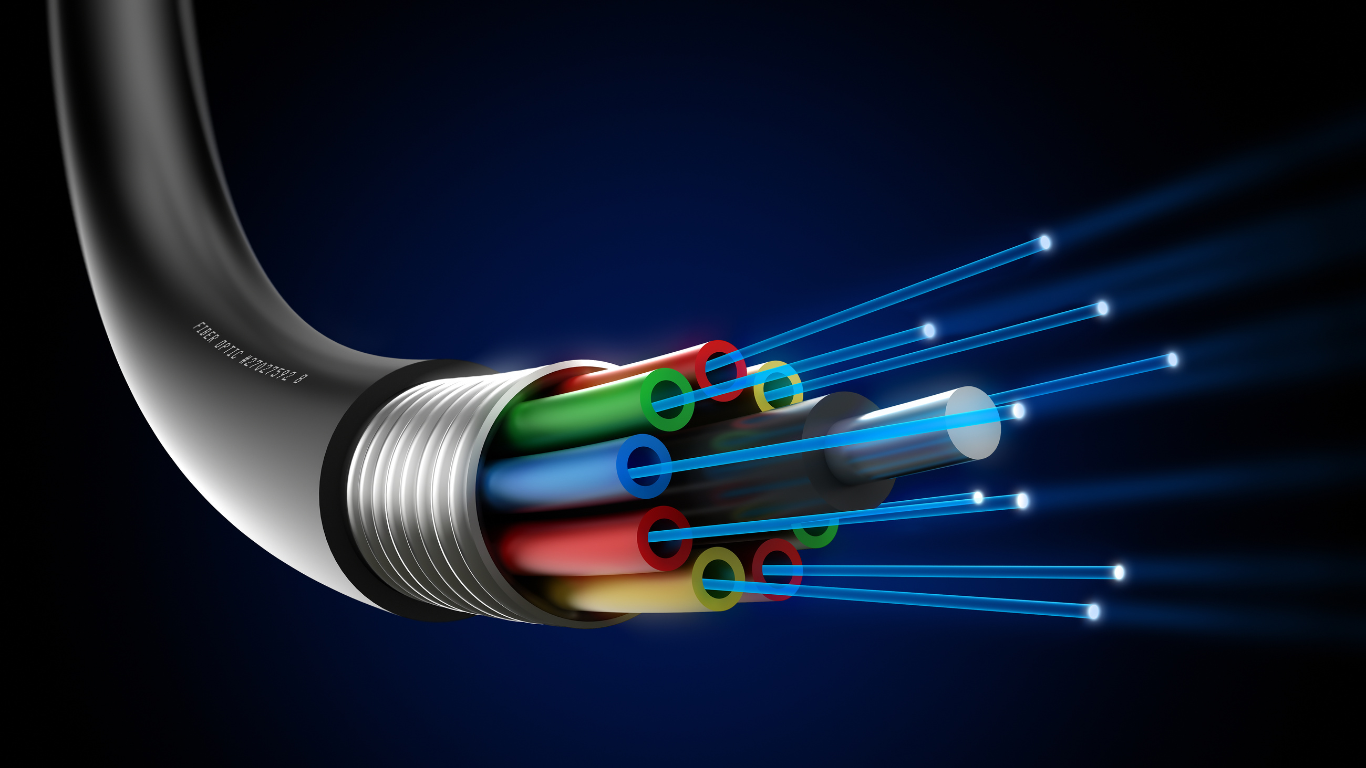
In today’s fast-paced world, the need for reliable and fast internet is more critical than ever, especially for businesses. Investing in fibre optic cabling offers numerous benefits that can enhance the efficiency and productivity of commercial properties. From improved speed to future-proofing your infrastructure, fibre optics can be a game changer for businesses looking to stay competitive in the digital age.
Key Takeaways
- Fibre optic cabling provides faster speeds and greater reliability compared to traditional copper cables.
- Investing in fibre optics is a way to future-proof your business against evolving technology needs.
- While initial costs may be higher, the long-term savings on maintenance and upgrades make fibre optics more cost-effective.
- Certain industries, like tech startups and healthcare, see significant benefits from fibre optic installations.
- Fibre optics play a vital role in supporting modern business infrastructure, including high-speed internet and cloud services.
Understanding The Advantages Of Fibre Optic Cabling
Fibre optic cabling is becoming increasingly popular for commercial properties, and for good reason. It offers a range of benefits over traditional copper cabling, impacting everything from internet speed to long-term cost. Let’s explore some of the key advantages.
Speed And Reliability
When it comes to speed, fibre optic cabling leaves copper in the dust. Fibre uses light to transmit data, allowing for much faster speeds and greater bandwidth. This means quicker downloads, smoother video conferencing, and reduced lag time for all your online activities. But it’s not just about speed; fibre is also more reliable. It’s less susceptible to interference from electromagnetic sources, meaning a more stable and consistent connection. Think about it – no more frustrating dropouts during important video calls!
Future-Proofing Your Business
Investing in fibre optic cabling isn’t just about meeting your current needs; it’s about preparing for the future. As technology advances and bandwidth demands increase, fibre optic cabling can handle the load. Unlike copper, which has limitations in terms of bandwidth capacity, fibre offers virtually unlimited potential. By installing fibre now, you’re ensuring that your business can adapt to future technological advancements without needing to undergo costly and disruptive cabling upgrades. It’s a smart move for long-term growth and competitiveness. Consider this: link specs for fibre optic networks are constantly being updated to accommodate faster speeds.
Cost-Effectiveness Over Time
While the initial investment in fibre optic cabling may be higher than copper, it can be more cost-effective in the long run. Fibre optic cables are more durable and less prone to damage than copper cables, reducing the need for frequent repairs and replacements. Additionally, fibre’s
greater bandwidth capacity means you’re less likely to need to upgrade your cabling infrastructure as your business grows. This can save you significant money over time. Plus, the increased efficiency and productivity that come with faster, more reliable internet can also contribute to cost savings.
Think of it like this: you might pay a bit more upfront for a fuel-efficient car, but you’ll save money on petrol in the long run. Fibre optic cabling is the fuel-efficient option for your business’s internet needs.
Comparing Fibre Optic And Copper Cabling
Performance Differences
When it comes to performance, fibre optic cabling and copper cables are worlds apart. Fibre offers significantly higher bandwidth and data transmission speeds compared to copper. This means faster downloads, smoother streaming, and reduced latency for your business applications. Copper cables, particularly over longer distances, experience signal degradation, which limits their bandwidth and speed capabilities. Fibre, on the other hand, maintains signal integrity over much greater distances, making it ideal for large commercial properties or businesses with multiple locations. Think of it like this: copper is a narrow, winding road, while fibre is a multi-lane highway designed for high-speed traffic.
Installation Considerations
Installing fibre optic cabling can be a bit more complex and initially expensive than installing copper. It often requires specialised equipment and trained technicians to ensure proper termination and splicing. Copper cabling is generally easier to handle and install, but the overall cost can increase when you factor in the need for repeaters or amplifiers to maintain signal strength over longer distances. Here’s a quick comparison:
- Fibre: Higher initial cost, specialised installation, less susceptible to interference.
- Copper: Lower initial cost, simpler installation, more susceptible to interference.
- Considerations: Building layout, distance requirements, existing infrastructure.
Choosing between fibre and copper depends heavily on your specific needs and budget. While copper might seem cheaper upfront, the long-term benefits of fibre often outweigh the initial investment.
Long-Term Benefits
The long-term benefits of fibre optic cabling are substantial. While the initial investment might be higher, fibre offers superior bandwidth, reliability, and scalability. This means your business can handle increasing data demands without needing to replace your entire cabling infrastructure. Fibre is also less susceptible to electromagnetic interference, ensuring a more stable and consistent connection. Over time, the reduced maintenance costs and increased productivity associated with fibre can lead to significant cost savings. Plus, with technology constantly evolving, fibre provides a future-proof solution that can adapt to new applications and higher bandwidth requirements. Consider these points:
- Increased bandwidth capacity.
- Reduced downtime due to improved reliability.
- Scalability to accommodate future growth.
Business Types That Benefit From Fibre Optic Installation
Fibre optic cabling isn’t just a fancy upgrade; it’s a strategic investment that can significantly impact various types of businesses. Is fibre optic worth it for business? Absolutely, especially if your operations rely on fast, reliable, and secure data transmission. Let’s look at some specific examples.
Tech Startups
Tech startups thrive on innovation and speed. Fibre optic infrastructure provides the bandwidth necessary for these companies to develop, test, and deploy cutting-edge technologies. Consider these points:
- High-Speed Data Transfer: Essential for cloud-based services, software development, and large data sets.
- Low Latency: Critical for real-time applications, such as online gaming or financial trading platforms.
- Scalability: Easily adapts to growing bandwidth demands as the startup expands.
Fibre optic cabling allows tech startups to operate at peak efficiency, giving them a competitive edge in a fast-paced market. It’s about future-proofing their infrastructure from day one.
Educational Institutions
From primary schools to universities, educational institutions are increasingly reliant on digital resources. Fibre optic cabling supports the diverse needs of modern learning environments. Here’s why it’s important:
- E-Learning Platforms: Seamless access to online courses, video lectures, and digital libraries.
- Research and Development: Facilitates collaboration and data sharing among researchers.
- Administrative Efficiency: Streamlines communication and data management across departments.
Healthcare Facilities
In the healthcare sector, reliable data transmission is a matter of life and death. Fibre optic cabling ensures that medical professionals have access to the information they need, when they need it. Here’s how it helps:
- Electronic Health Records (EHRs): Secure and instant access to patient information.
- Telemedicine: Enables remote consultations and monitoring, improving patient care in rural areas.
- Medical Imaging: Fast transfer of large image files, such as X-rays and MRIs.
When considering best cabling solutions for Perth companies, remember that fibre optics offer unparalleled performance and reliability. For businesses in Perth looking for commercial electrical services, investing in fibre optic cabling is a smart move. It’s about ensuring your business is ready for the future, with the bandwidth and reliability to support your operations. If you’re still unsure about Commercial cabling Perth, consider the long-term benefits and the potential for increased productivity and efficiency.
The Role Of Fibre Optics In Modern Business Infrastructure
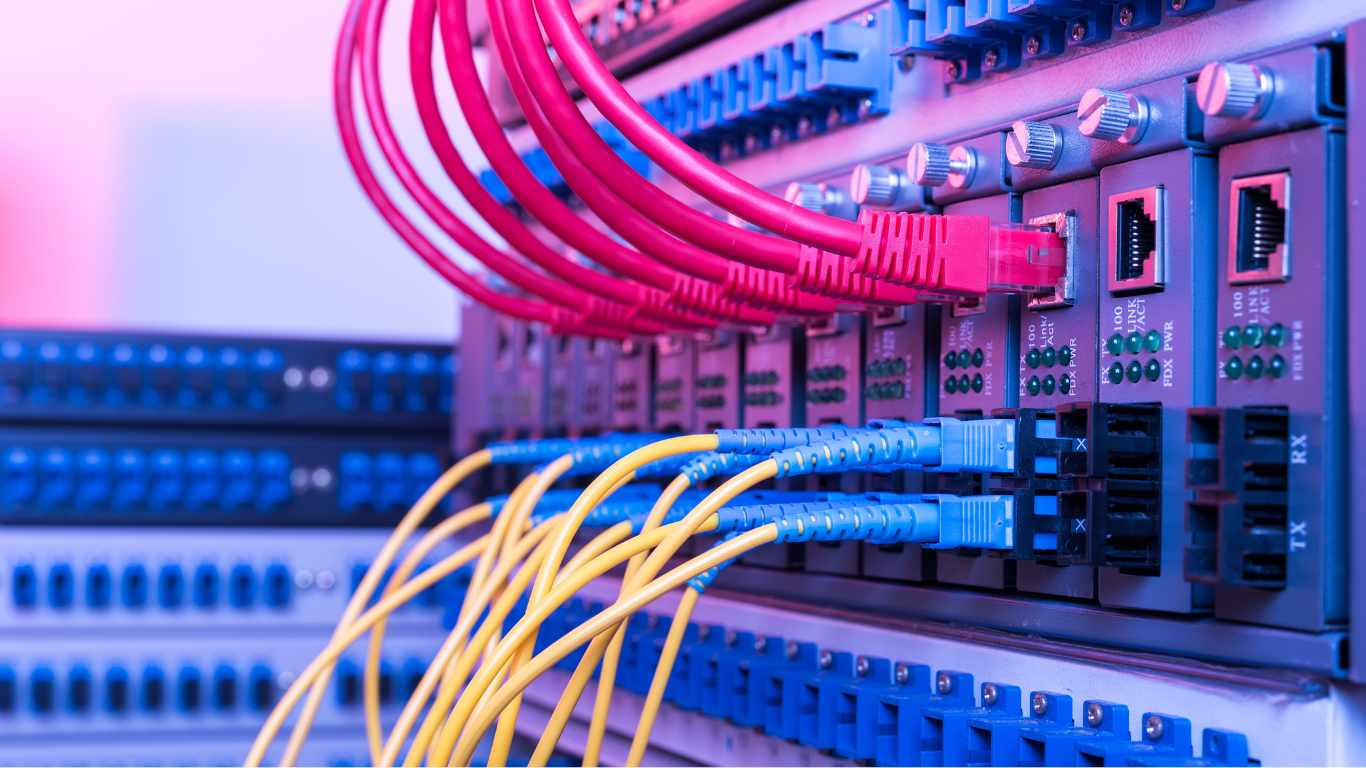
Fibre optic cabling has become essential for businesses wanting to stay competitive. It’s not just about having fast internet; it’s about building a reliable and scalable infrastructure that can handle the demands of modern applications and technologies. Let’s explore how fibre optics plays a vital role in today’s business world.
Supporting High-Speed Internet
Fibre optic cables provide significantly faster internet speeds compared to traditional copper cables. This speed is crucial for businesses that rely on data-intensive applications, cloud services, and video conferencing. How fast is fibre optic for office use? Well, it can easily support speeds of 1 Gbps or more, which is way faster than what most copper-based connections can offer. This increased bandwidth allows for smoother operations, faster downloads and uploads, and improved overall productivity. Think about it – no more waiting for large files to transfer or dealing with lag during important video calls.
Enhancing Communication Systems
Fibre optics isn’t just about internet access; it also revolutionises internal communication systems. With fibre, businesses can implement advanced office communication systems that support voice, video, and data transmission with exceptional clarity and reliability. This is particularly important for businesses with multiple locations or those that rely heavily on remote collaboration. Fibre optic networks can handle a large volume of communication traffic without experiencing bottlenecks or degradation in quality. This leads to better collaboration, improved customer service, and more efficient internal operations.
Facilitating Cloud Services
Cloud services have become a cornerstone of modern business, offering scalability, flexibility, and cost savings. However, to fully leverage the benefits of cloud computing, businesses need a reliable and high-speed internet connection. Fibre optic cabling provides the necessary bandwidth and low latency to ensure seamless access to cloud-based applications and data. This allows businesses to store and access their data in the cloud without experiencing performance issues. It also enables them to use cloud-based software and services without any lag or interruptions. This is especially important for businesses that rely on cloud-based CRM systems, project management tools, or data analytics platforms.
Fibre optic infrastructure is more than just an upgrade; it’s an investment in the future of your business. It provides the foundation for innovation, growth, and success in an increasingly digital world.
Here’s a simple comparison of fibre optic and copper cabling for cloud services:
| Feature | Fibre Optic | Copper |
| Speed | Up to 100 Gbps and beyond | Up to 1 Gbps |
| Latency | Very low | Higher |
| Reliability | High | Lower |
| Cloud Access | Seamless and fast | Can be slow and unreliable |
Best Practises For Business Internet Installation
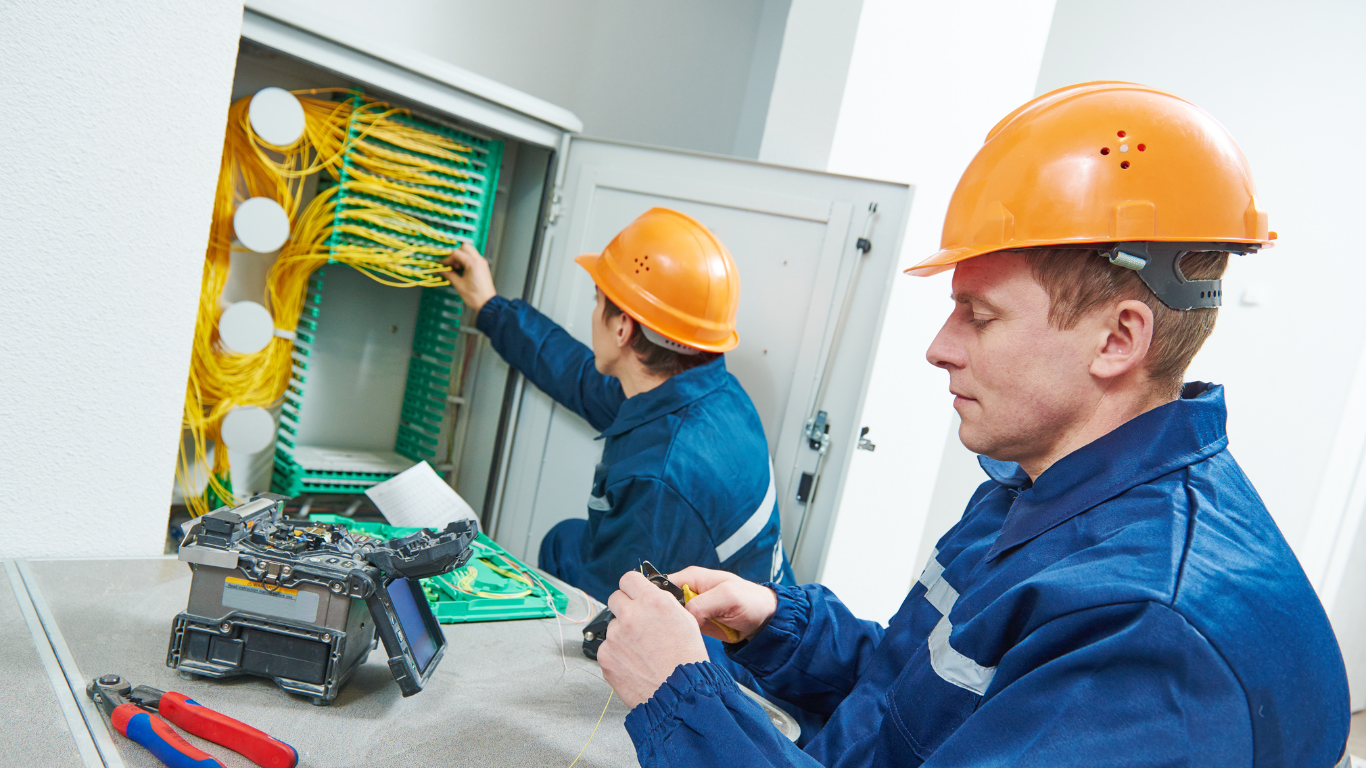
Getting your business internet installation right from the start can save you headaches and money down the line. It’s not just about plugging in a modem; it’s about creating a network that supports your business needs now and into the future. Here’s what you need to consider.
Planning Your Network Layout
Before you even think about cables and routers, map out your network. Consider these points:
- Identify all devices: List every computer, printer, server, and any other device that will connect to your network. Don’t forget things like security cameras or smart devices.
- Assess bandwidth needs: Some departments, like video editing or data analysis, will need more bandwidth than others. Understand these requirements early.
- Consider future growth: Plan for expansion. It’s easier to install extra cabling now than to rip everything up later.
Think about where your main server room will be located. It should be secure, well-ventilated, and easily accessible for maintenance. This is the heart of your network, so plan it carefully.
Choosing The Right Equipment
Selecting the right equipment is vital for optimal performance. Don’t just go for the cheapest options; invest in quality components that will last. Here’s a quick guide:
- Routers: Choose a business-grade router with features like firewall protection, VPN support, and Quality of Service (QoS) to prioritise traffic.
- Switches: Managed switches offer more control over your network, allowing you to segment traffic and improve security.
- Cables: For new installations, fibre optic cabling is the way to go. It offers faster speeds and greater bandwidth than traditional copper cables.
Ensuring Compliance With Standards
Business internet installation must adhere to industry standards and local regulations. This ensures safety, reliability, and compatibility. Here’s what to keep in mind:
- Electrical codes: All cabling and equipment must be installed according to electrical codes to prevent fire hazards.
- Data privacy: Ensure your network complies with data privacy regulations, such as the Privacy Act, especially if you handle sensitive customer information.
- Industry standards: Follow TIA/EIA standards for cabling and network design to ensure optimal performance and interoperability.
Future Trends In Fibre Optic Technology
Fibre optic technology isn’t standing still. It’s constantly evolving, with new innovations popping up all the time. So, what does the future hold for fibre optics, and how might these changes impact your business?
Emerging Applications
Beyond just faster internet, fibre optics are finding their way into some pretty interesting new areas. Think about advanced medical imaging, where high-resolution scans rely on the speed and bandwidth of fibre. Or consider the automotive industry, with fibre optic sensors used in self-driving cars. Even aerospace is getting in on the act, using fibre for lightweight, high-capacity data transmission. These emerging applications are pushing the boundaries of what’s possible with fibre.
Here’s a quick look at some areas where fibre is making waves:
- Healthcare: High-speed data transfer for telemedicine and remote diagnostics.
- Manufacturing: Real-time monitoring and control of industrial processes.
- Smart Cities: Connecting everything from traffic lights to environmental sensors.
Advancements In Installation Techniques
Installing fibre optic cables used to be a real pain, involving lots of digging and disruption. But things are changing. New techniques like micro-trenching and aerial fibre deployment are making installation faster, cheaper, and less invasive. Plus, there’s a growing focus on using robots and AI to automate the installation process, which could significantly reduce costs and improve efficiency. How will these advancements affect the cost of installation? Well, it’s expected to drop over time, making fibre more accessible to smaller businesses and even residential areas.
Impact On Business Operations
What does all this mean for your business? Well, the future of fibre optics is all about faster speeds, lower latency, and greater reliability. This translates to:
- Improved productivity: Faster data transfer means less time wasted waiting for things to load.
- Enhanced collaboration: Seamless video conferencing and file sharing.
- New business opportunities: The ability to offer cutting-edge services that rely on high bandwidth.
As fibre technology continues to advance, businesses that embrace these changes will be best positioned to compete in the digital economy. Staying informed about the latest developments and planning for future upgrades is key to unlocking the full potential of fibre optics.
Ultimately, the future of fibre is bright, and businesses that invest in this technology will be well-placed to thrive in the years to come. What are the benefits of future proofing your business with fibre? The answer is simple: resilience, scalability, and a competitive edge.
Case Studies Of Successful Fibre Optic Deployments
Local Government Initiatives
Local councils around Australia are increasingly turning to fibre optics to improve services and connect communities. One great example is the City of Greater Bendigo, which invested in a fibre network to link council buildings, schools, and libraries. This initiative not only reduced
costs but also improved internet speeds for residents and supported local businesses. It’s a win-win!
Corporate Upgrades
Many businesses are seeing the benefits of upgrading to fibre. Take, for instance, a large accounting firm in Sydney that recently switched from copper to fibre. They saw:
- A significant increase in data transfer speeds.
- Improved reliability during peak hours.
- Reduced downtime due to network issues.
The upgrade allowed them to handle large financial datasets more efficiently and provide better service to their clients. It’s a clear example of how fibre can give businesses a competitive edge.
Community Broadband Projects
In rural areas, community-led broadband projects are making a huge difference. In Tasmania, a group of small towns partnered to build their own fibre network. This project brought high-speed internet to homes and businesses that previously had limited or no access. It’s helped to:
- Boost local economies.
- Improve access to education and healthcare.
- Create new opportunities for residents.
These projects show that when communities take control of their internet infrastructure, they can achieve amazing things.
In this section, we explore some amazing examples of how fibre optic technology has been successfully used in different projects. These case studies show how businesses and communities have improved their internet speed and reliability by using fibre optics. If you want to learn more about how fibre optics can benefit you, visit our website today!
Wrapping Up: The Case for Fibre Optic Cabling
In summary, investing in fibre optic cabling for commercial properties is a smart move. It offers faster speeds and greater reliability compared to traditional copper cables. This means businesses can operate more efficiently, whether they’re in tech, retail, or any other sector that relies on strong internet connections. Plus, fibre optics are future-proof, ready to handle the increasing demand for bandwidth. As we move forward, having a robust fibre network will be essential for staying competitive in today’s digital landscape. So, if you’re considering an upgrade, fibre optics should definitely be on your radar.
Frequently Asked Questions
What are the main benefits of fibre optic cabling?
Fibre optic cabling offers faster internet speeds, better reliability, and is more future-proof compared to traditional copper cables.
How does fibre optic cabling compare to copper cabling?
Fibre optic cables can transmit data much faster and over longer distances without losing quality, while copper cables can be slower and less reliable.
Which types of businesses should consider fibre optic installation?
Tech startups, schools, and healthcare facilities can all greatly benefit from installing fibre optic cabling.
Why is fibre optics important for modern businesses?
Fibre optics support high-speed internet, improve communication systems, and enable cloud services, which are essential for today’s business operations.
What are some best practises for installing fibre optic internet?
It’s important to plan your network layout carefully, choose the right equipment, and ensure that all installations meet industry standards.
What future trends can we expect in fibre optic technology?
We can expect new applications for fibre optics, advancements in installation methods, and a significant impact on how businesses operate.